Get in touch
Download Brochure
Download Guide
Get in touch
NASHVILLE HAS LANDED

Introducing Cam on Third
Invest in one of America’s fastest-growing cities, with studios, 1 & 2-bedroom apartments from $299,950.


Addressing Urgent Housing Demand with Specialist Supported Housing
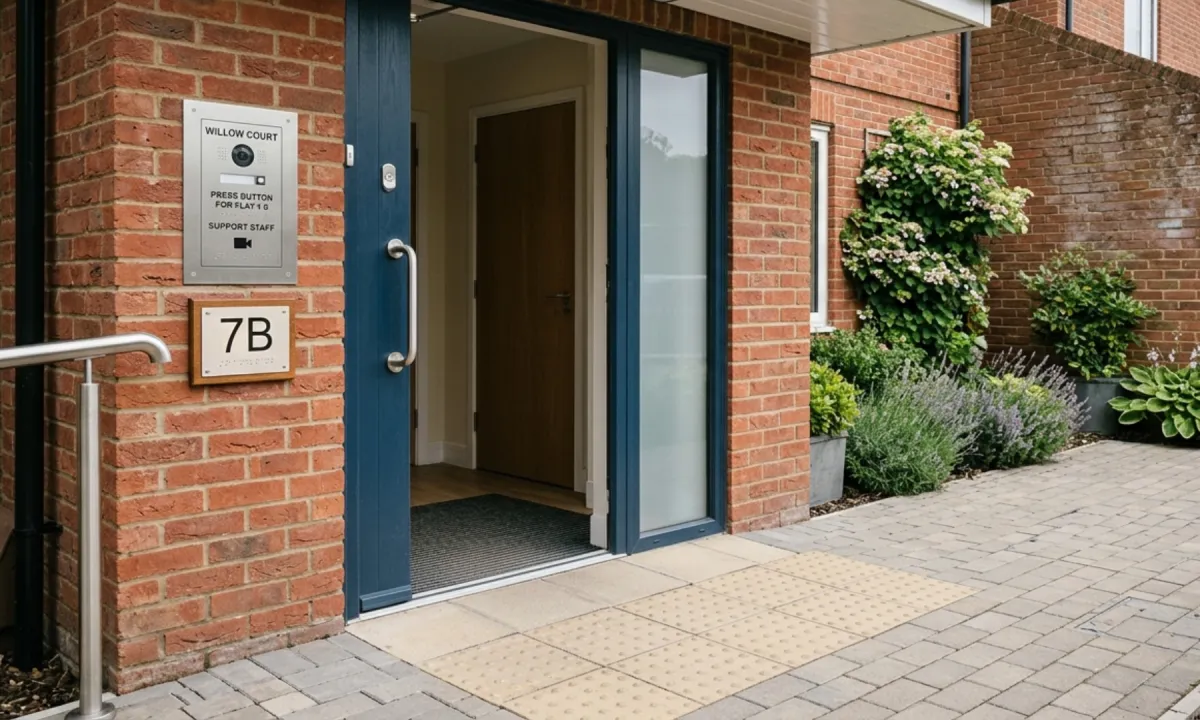

The UK has a well-documented shortage of suitable housing across many segments of the market. Within that broader challenge, one area stands out for both its urgency and its relative lack of attention: accommodation for individuals who require additional support to live independently. The gap between demand and supply in specialist supported housing is not a new problem, but it is one that continues to widen, with consequences felt across housing, healthcare and social care systems alike.
The Scale of the Specialist Supported Housing Shortage
Research from the National Housing Federation estimates that demand for supported housing could exceed 200,000 additional units by 2040, driven by an ageing population, growing numbers of people with learning disabilities and mental health conditions, and the continued policy shift away from institutional care towards community-based living. At the same time, existing supply is under pressure, with a significant proportion of the current stock at risk due to funding constraints and ageing infrastructure.
The human cost of this shortfall is significant. Individuals who are ready to leave hospital or residential care settings cannot do so because there is nowhere appropriate for them to go. This creates a bottleneck that places strain on NHS capacity, delays care pathways and, most importantly, affects the quality of life for people who are waiting for accommodation that should already exist.
Why Standard Housing Does Not Fill the Gap
It is worth being clear about why the general housing market cannot simply absorb this demand. Specialist supported housing is not standard residential property with minor adaptations. It is purpose-built or significantly modified accommodation, designed around the specific needs of its residents, whether that means accessibility features, safety modifications, communal support spaces or layouts that allow care to be delivered effectively. The housing element is typically managed separately from care provision, with properties leased to registered providers or housing associations while specialist care organisations deliver support on site.
This structure requires a level of planning, coordination and long-term commitment that sits outside the scope of most private residential development. It also means that new supply cannot be created quickly or at scale without deliberate investment targeted specifically at this segment.
Why Standard Housing Does Not Fill the Gap
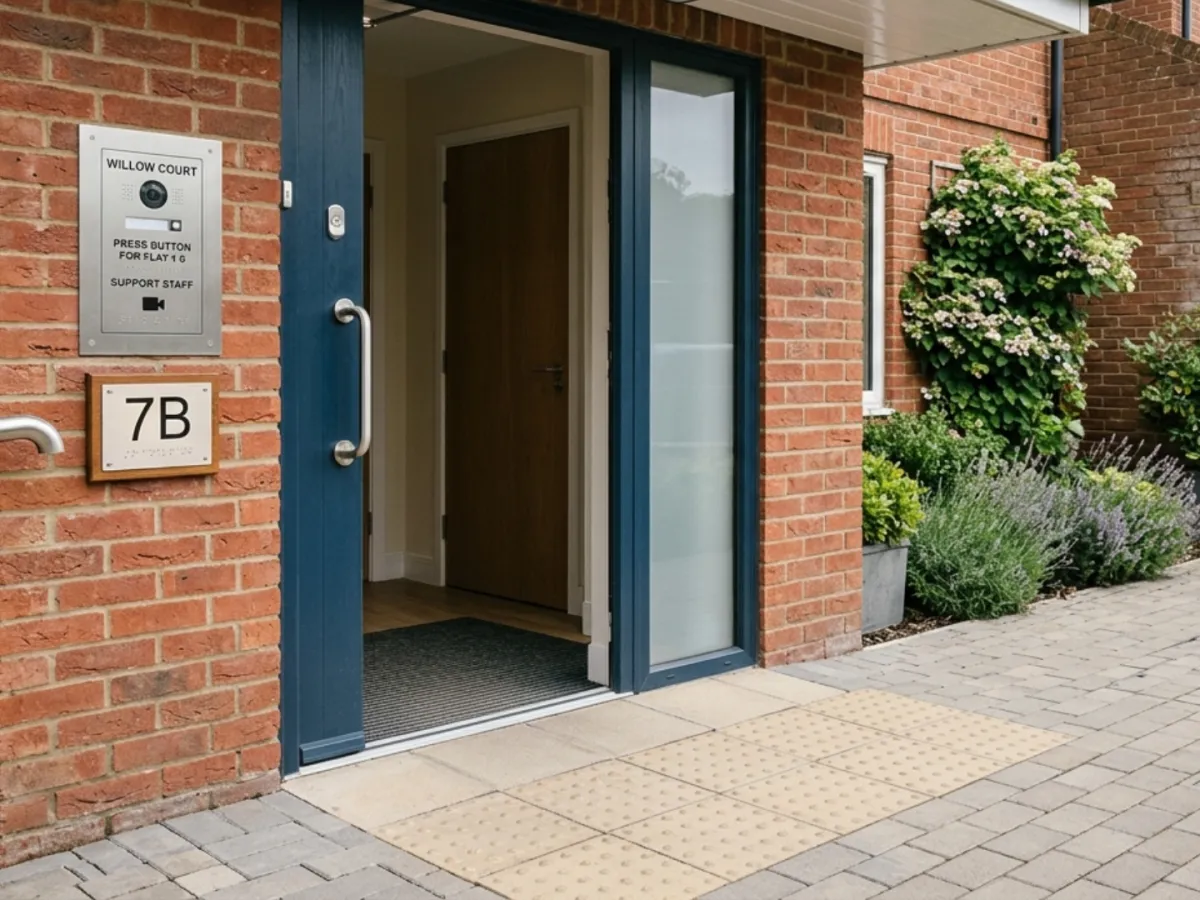
It is worth being clear about why the general housing market cannot simply absorb this demand. Specialist supported housing is not standard residential property with minor adaptations. It is purpose-built or significantly modified accommodation, designed around the specific needs of its residents, whether that means accessibility features, safety modifications, communal support spaces or layouts that allow care to be delivered effectively. The housing element is typically managed separately from care provision, with properties leased to registered providers or housing associations while specialist care organisations deliver support on site.
This structure requires a level of planning, coordination and long-term commitment that sits outside the scope of most private residential development. It also means that new supply cannot be created quickly or at scale without deliberate investment targeted specifically at this segment.
The Role of Private Investment
Addressing the shortage requires contributions from multiple directions, and private investment has an increasingly recognised role to play. Specialist supported housing schemes that are well-structured and properly partnered with experienced care and housing providers can deliver new supply in areas of genuine need, while offering investors a model underpinned by long-term, needs-driven demand rather than the fluctuations of the open market.
Income in this sector is typically derived from housing benefit or local authority funding arrangements, providing a degree of stability that differs from conventional rental income. Properties are generally leased to registered providers on agreed terms, reducing void risk and removing much of the day-to-day management burden from the investor. The result is a model that, when structured correctly, aligns the interests of investors, care providers, housing associations and, most importantly, the individuals who will call these properties home.
A Structural Problem That Requires a Long-Term Response
Specialist supported housing is not a market driven by sentiment or short-term cycles. The demand is a sustained need as it is already built into the fabric of the UK’s health and social care system. That consistency is precisely what makes it a considered option for investors taking a longer-term view, but it also underlines the broader point: this is an area where more supply is genuinely needed, and where well-placed private capital can make a material difference.
Elite Realty Invest works with investors in the specialist supported housing sector, focusing on opportunities delivered in partnership with established housing and care providers. Our approach allows investors to access a sector underpinned by long-term needs-driven demand, supported operationally by experienced housing and care partners on the ground. For those looking to understand the opportunity in more detail, our team is available for a confidential conversation about specialist supported housing.
This article is intended for informational purposes only and does not constitute financial advice. Property investment carries risk, including the risk of losing capital. Independent financial advice should be sought before making any investment decision.
Similar posts you may like